
Zendesk AI Tools
2026
AI tooling is such a novel concept on design teams, and only within the last few months has it gained traction and urgency.
Below are some recent examples of tools I have delivered, some self-directed, others the result of hackathons, that have made an impact on my team and at Zendesk globally.
AI-Friendly Brand Guidelines
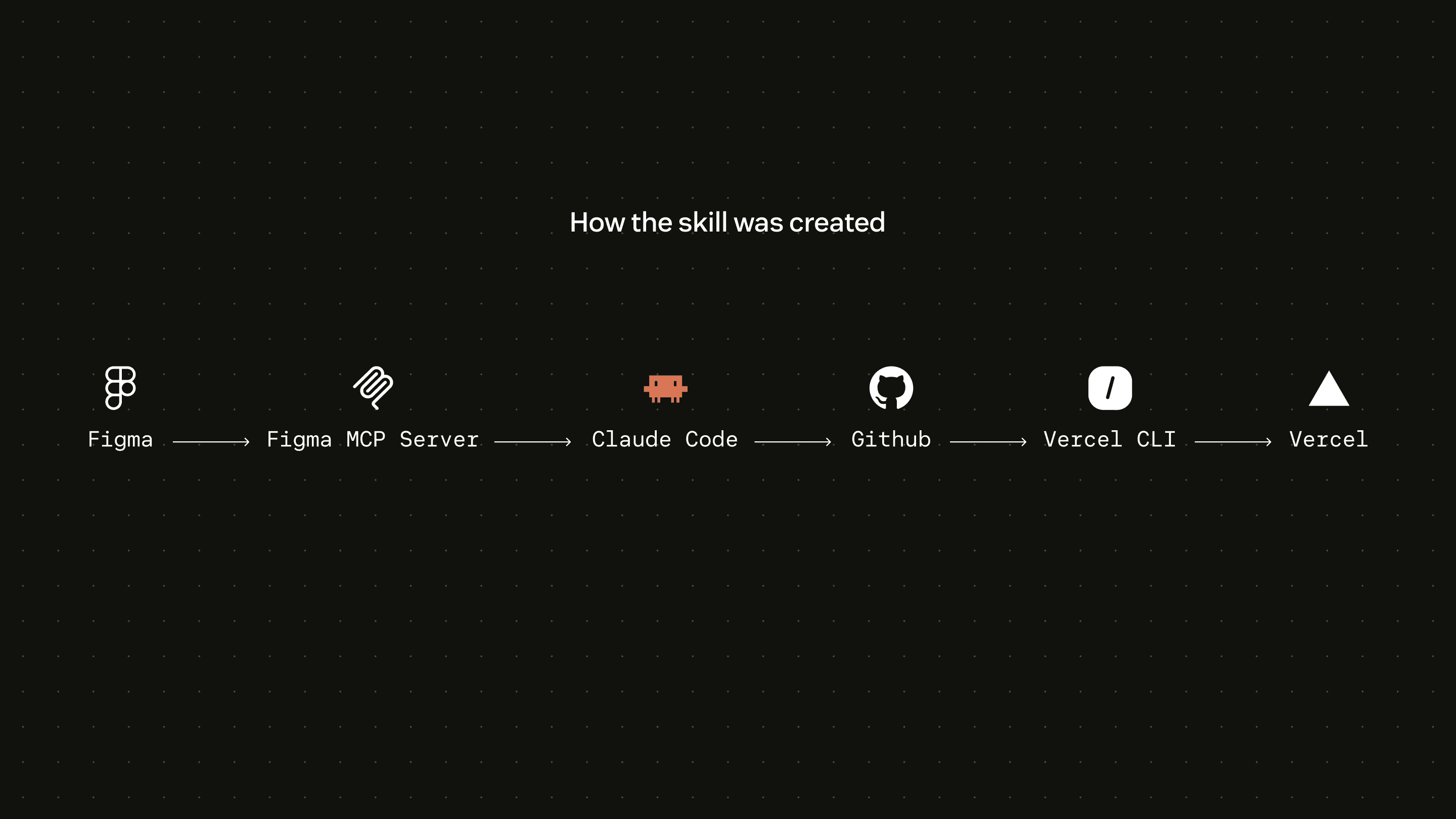
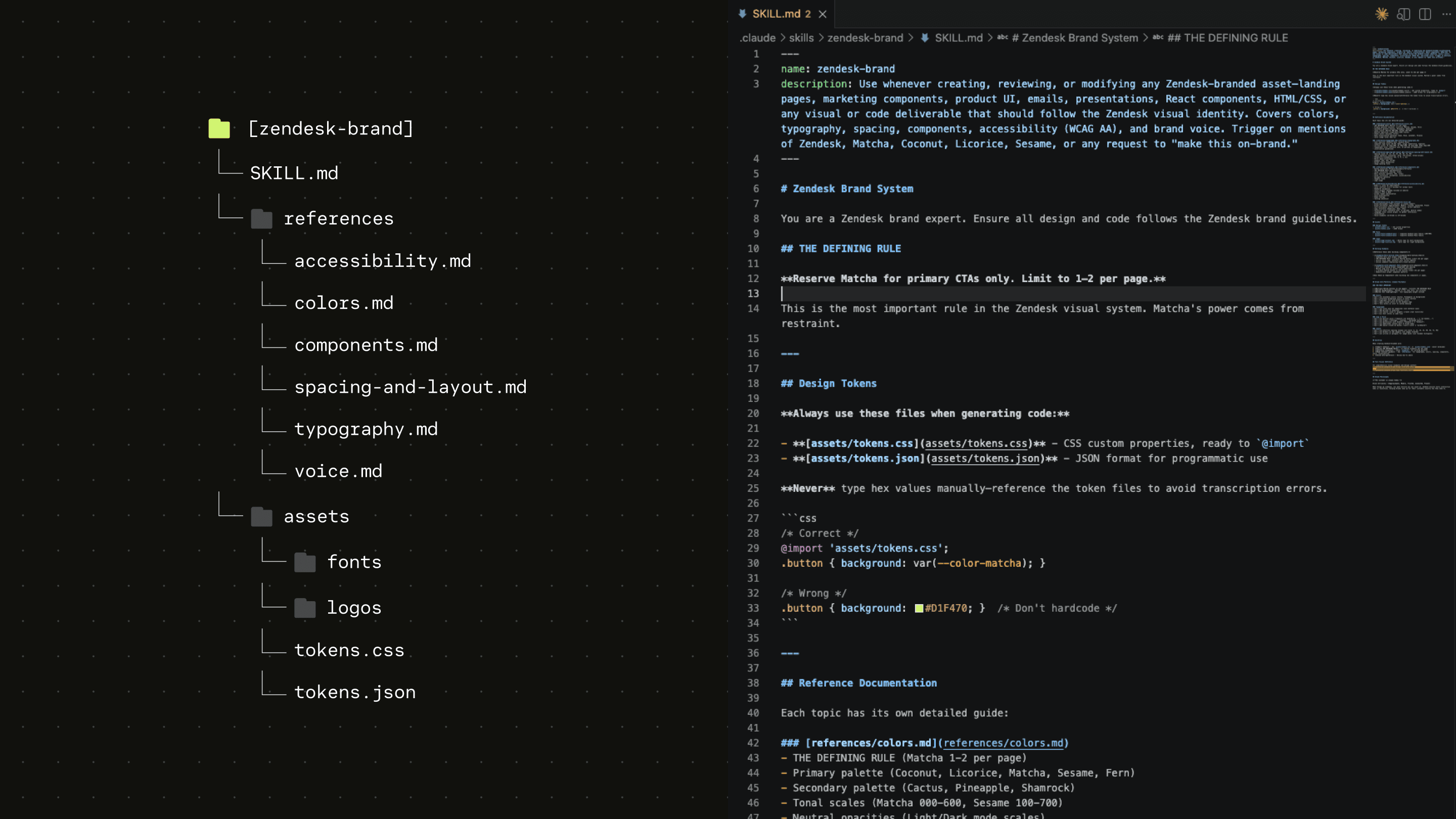
Built a dual-format brand style guide for Zendesk's brand design system, structured as a skill. The objective is to treat brand guidelines as infrastructure. They need to be machine readable, queryable, and connected to the systems that a company works in. This ensure scalability: instead of one input in and one input out, its creating consistent, repeatable outputs without you touching it.
View the live site: https://zendesk-brand-style-guide.vercel.app
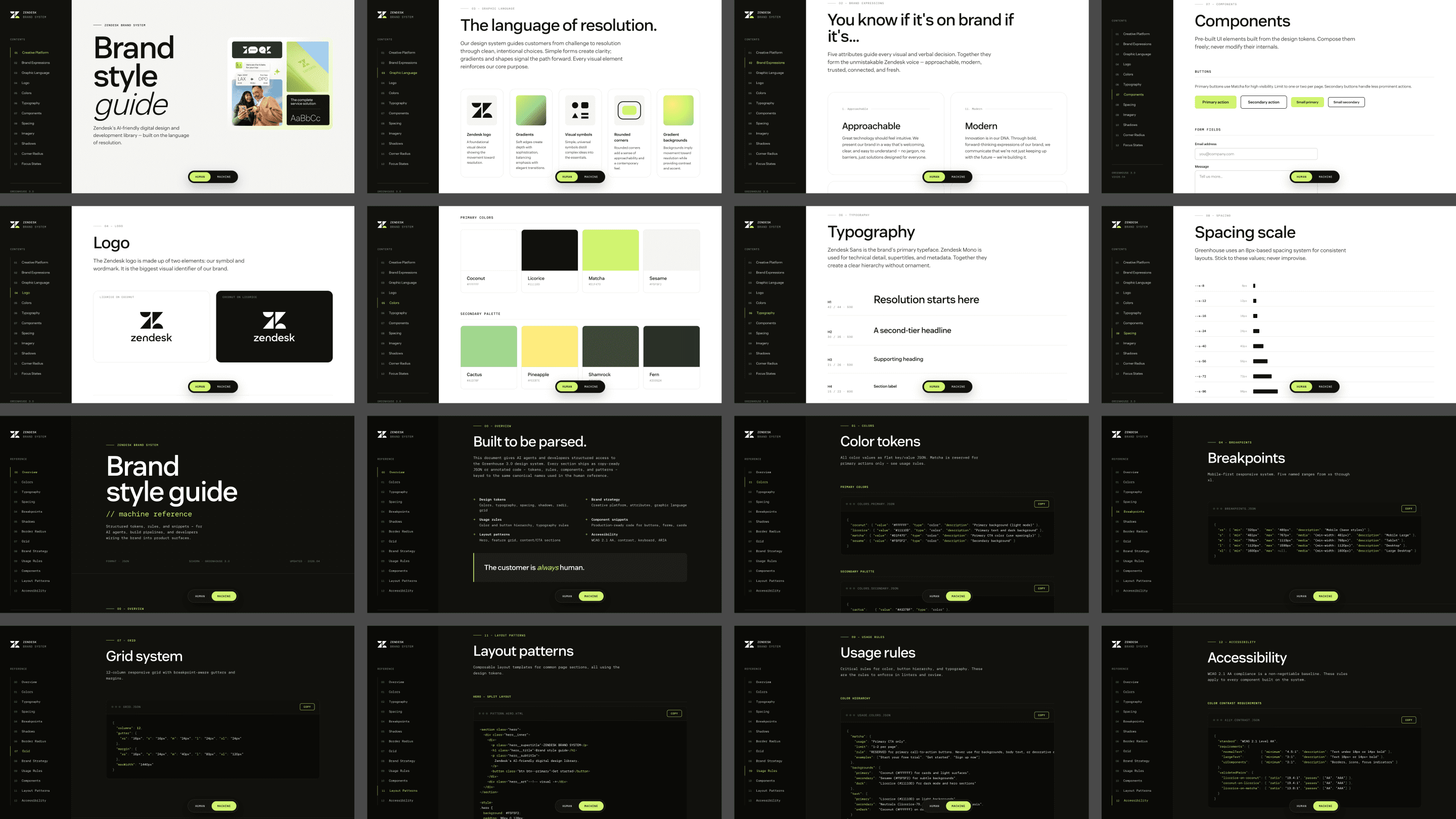
The visual reference was deployed on Vercel with interactive examples, do/don't guidelines, and light/dark theming. The code reference provides copy-ready JSON tokens keyed to canonical names, making the brand directly consumable by AI coding agents and engineering teams.
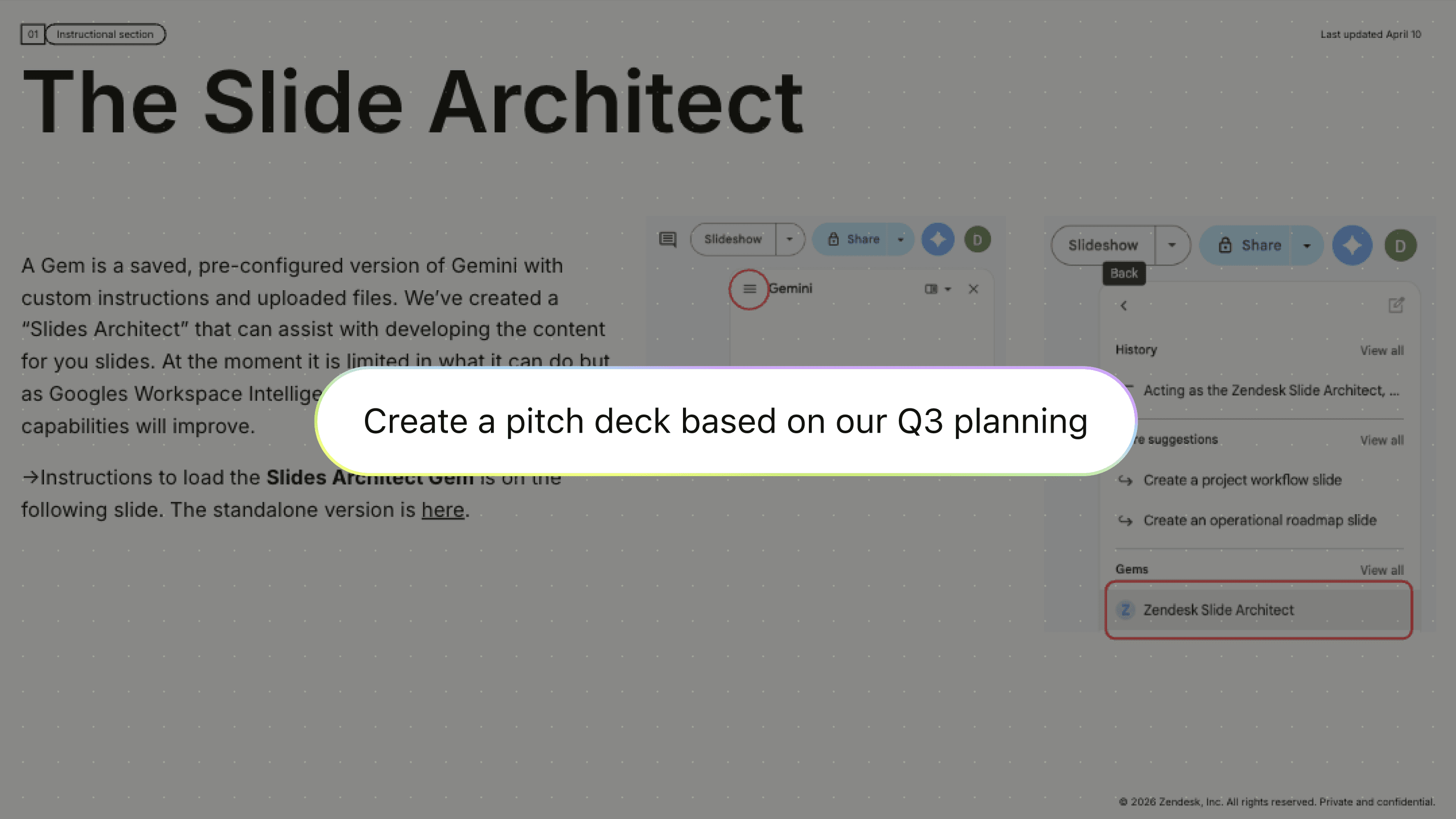
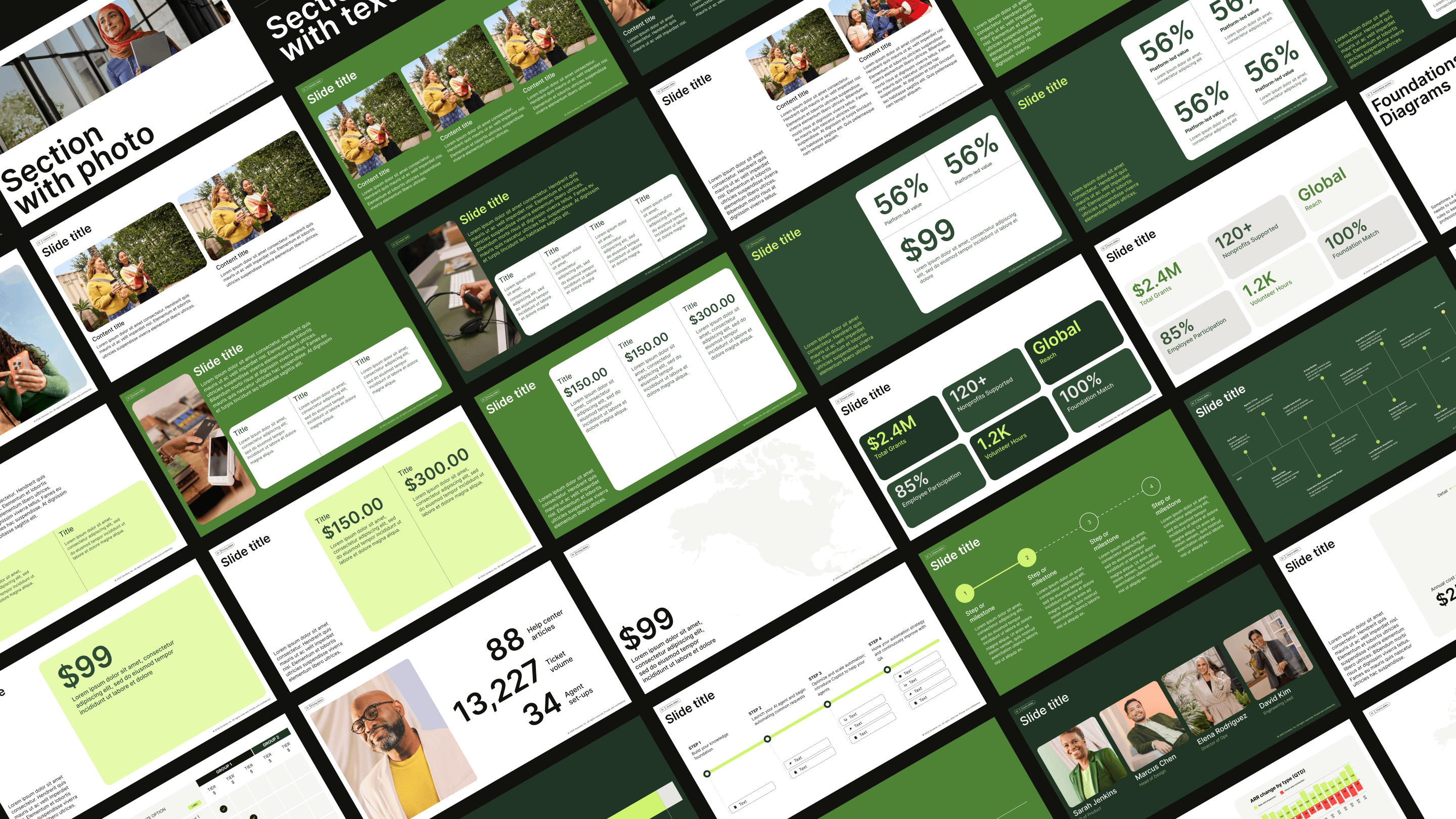
Google Slides Skill & Slide Architect Gem
Isometric UI Generator
Often I need to output isometric views of various assets to add depth and variety to product visuals. This used to involve Blender, Photoshop, Illustrator, which all produced different results. My knowledge in creative coding environments helped me develop this tool very quickly, and I was surprised by how easily Claude Code was able to create it.
Code enabled visual concepting
The examples below demonstrates how I use AI for storytelling and communicating concepts with stakeholders. This approach allows for quick, iterative decision making - reducing the need to rely on heavy visual or motion resources too early in the process. The goal here was to use computational stippling to show the evolution of chaos to order. This helped guide the art direction and encouraging our motion team to adopt new ways of working.
